Understanding Digestion
Digestion is the process of breaking down food into nutrients the body can absorb and use for energy, growth, and repair. It begins in the mouth with chewing and saliva enzymes and continues through the stomach and intestines, where food is further broken down and nutrients are absorbed; waste products are then excreted in the form of stool. A healthy digestive system helps your body get the most out of the food you eat and keeps everything running smoothly.
The Bristol Stool Chart
A healthy digestive process should result in regular, comfortable bowel movements. One easy way to monitor your digestive health is by paying attention to your stool. The Bristol Stool Chart is a tool that helps you do just that. It categorizes stool into seven types, ranging from hard and lumpy (constipation) to entirely liquid (diarrhea). Ideally, stools should be soft, well-formed, and easy to pass (Types 3 and 4).
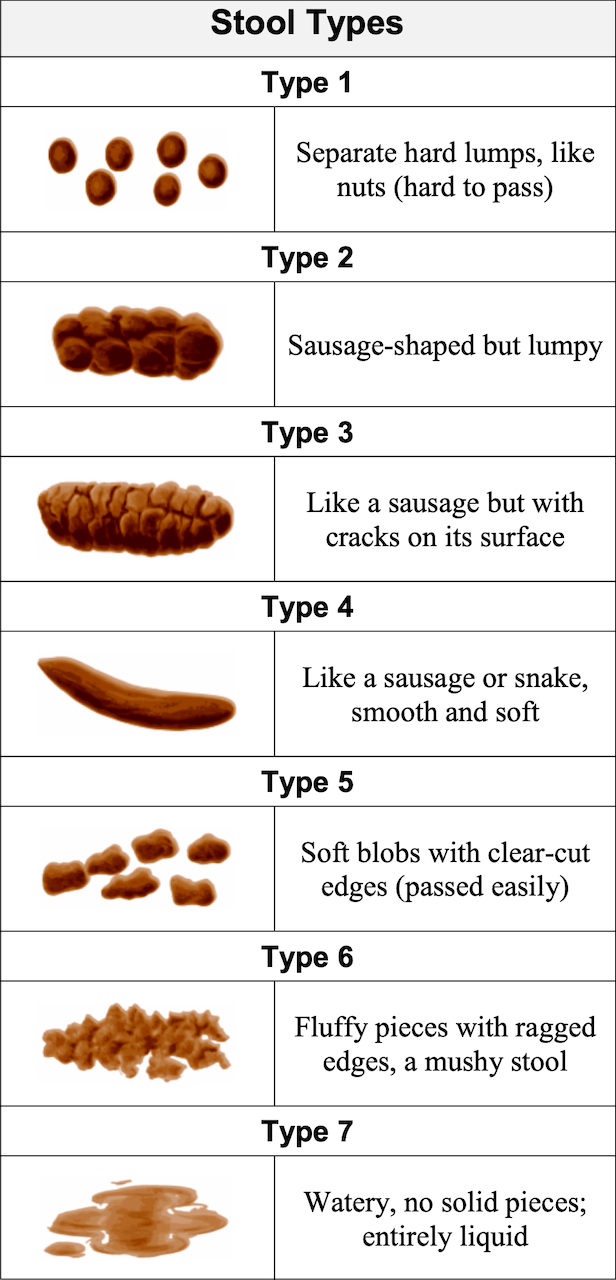
Image source: Alberta Health Services
Common Digestive Symptoms
Digestive issues often respond well to changes in eating and lifestyle habits.
Some common digestive symptoms include:
See our resources linked above for strategies to manage.
Food Allergens & Intolerances
Some digestive symptoms may be caused by food intolerances. If you suspect this might be the case, proper testing for conditions like lactose intolerance, celiac disease, or food allergies should be done through your healthcare provider.
IgG Food Intolereance Tests
Avoid spending money on IgG food intolerance tests, as they are not scientifically supported and often flag false positives for food intolerances that can lead to unnecessary food restrictions.
Elimination Diet
There are often modifications that can be made to help manage digestive symptoms without removing specific foods or entire food groups. If you do think a specific food is a symptom trigger, a standard approach is conducting an elimination diet. This involves removing suspected foods for 4+ weeks, monitoring symptoms, and then gradually reintroducing (in a staggered approach if multiple foods were eliminated) to assess tolerance. Your Constant Health Dietitian can help guide you through this process safely and effectively.
Medications & Medical Treatments
Medications and medical treatments can contribute to digestive symptoms. The strategies in the resources linked above may help. Your dietitian can also offer personalized guidance. If you suspect a medication or medical treatment is causing significant issues, consult your doctor. In some cases, medications may be helpful for managing symptoms—your healthcare team can guide you on what’s appropriate.
Experiment: Be Your Own Digestive Detective
Digestive health is highly individual, and small, consistent changes can make a big difference. Managing digestive symptoms often takes some trial and error. Start with one strategy at a time and give it time to see how your body responds. Take a look at the Digestive Health Diary Template, this can help you monitor patterns and progress over time.
Need support? Connect with your Constant Health Registered Dietitian for personalized support.